
Society & Culture
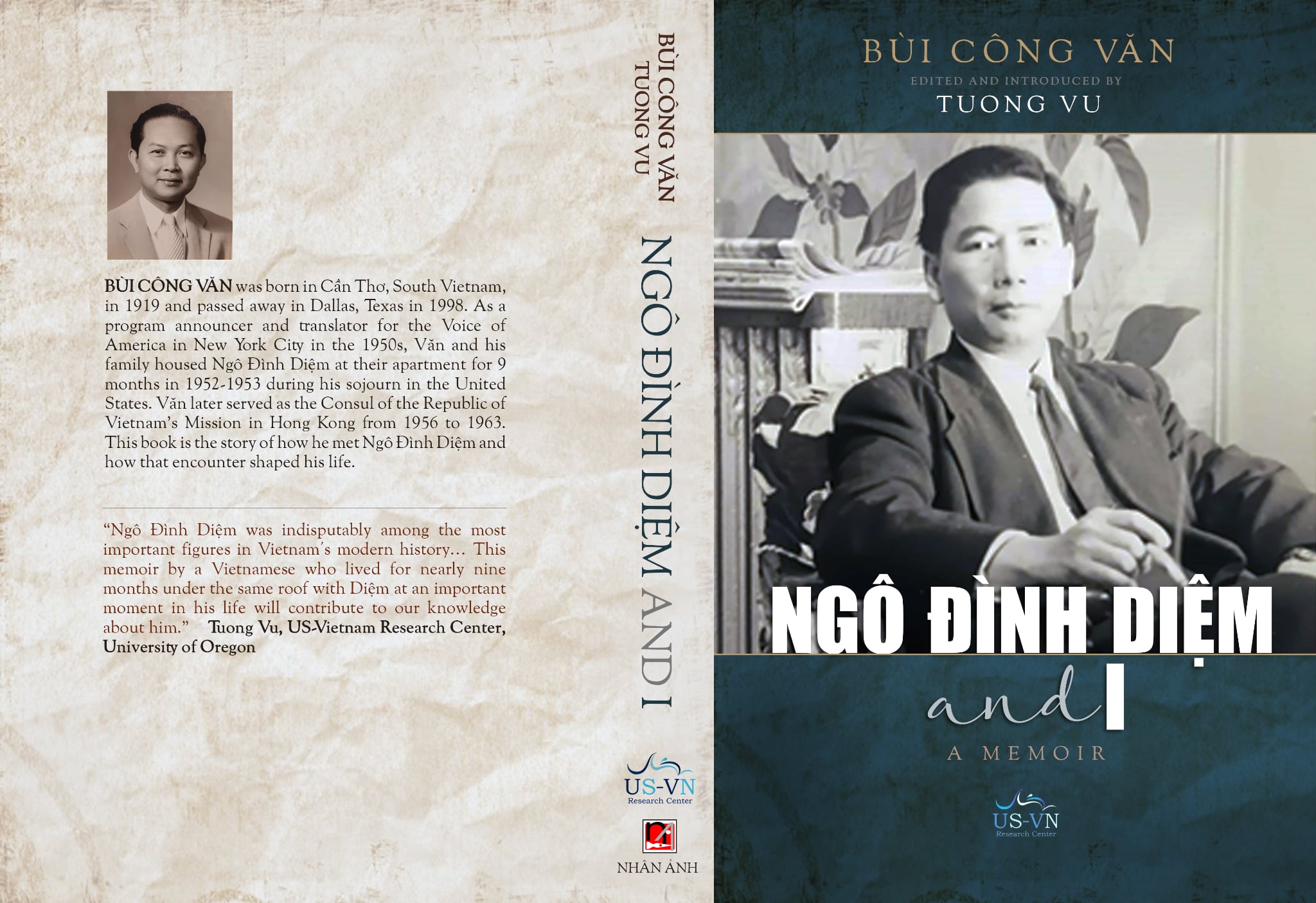
Ngô Đình Diệm and I, A Memoir by Bùi Công Văn



Politics & Economy1 month ago
Starlink in Vietnam: Strategic Utility for the State and the Illusion of a Borderless Internet

Politics & Economy4 months ago
A comparative review of Vietnam’s economic performance and policy between 1975 and 2024 (part 1)

Politics & Economy7 months ago
Southeast Asia in the world (1)-Vietnam faces a strategic crossroad in 2026

US-VN Current Affairs8 months ago
United States–Republic of Vietnam Partnership: Reflections and Contemporary Lessons

Politics & Economy9 months ago
What Vietnam’s 14th Party Congress Reveals About Governing Exposure

Politics & Economy6 years ago
Vietnam’s unresolved leadership question

After 19753 years ago
“The Vietnam War Was an Unwinnable War”: On Factuality and Orthodoxy

Politics & Economy3 years ago
Rethinking History and News Media in South Vietnam

Politics & Economy2 years ago
Frustrated Nations: The Evolution of Modern Korea and Vietnam

Politics & Economy6 years ago
National Shame: How We (Americans) can learn from Nguyễn An Ninh

-
 Politics & Economy6 years ago
Vietnam’s unresolved leadership question
-
 After 19753 years ago
“The Vietnam War Was an Unwinnable War”: On Factuality and Orthodoxy
-
 Politics & Economy3 years ago
Rethinking History and News Media in South Vietnam
-
 Politics & Economy2 years ago
Frustrated Nations: The Evolution of Modern Korea and Vietnam
-
 Politics & Economy6 years ago
National Shame: How We (Americans) can learn from Nguyễn An Ninh
-
 Vietnamese-America5 years ago
Deporting Vietnamese Refugees: Politics and Policy from Bush to Biden (Part 1)
-
 Politics & Economy7 years ago
China’s Recent Invention of “Nanhai Zhudao” in the South China Sea (Part 1: The birth of “Nanhai Zhudao”)
-

 ARCHIVES6 years ago
Democracy in action: The 1970 Senatorial elections in the Republic of Vietnam (Part 1)